
TAWHAY
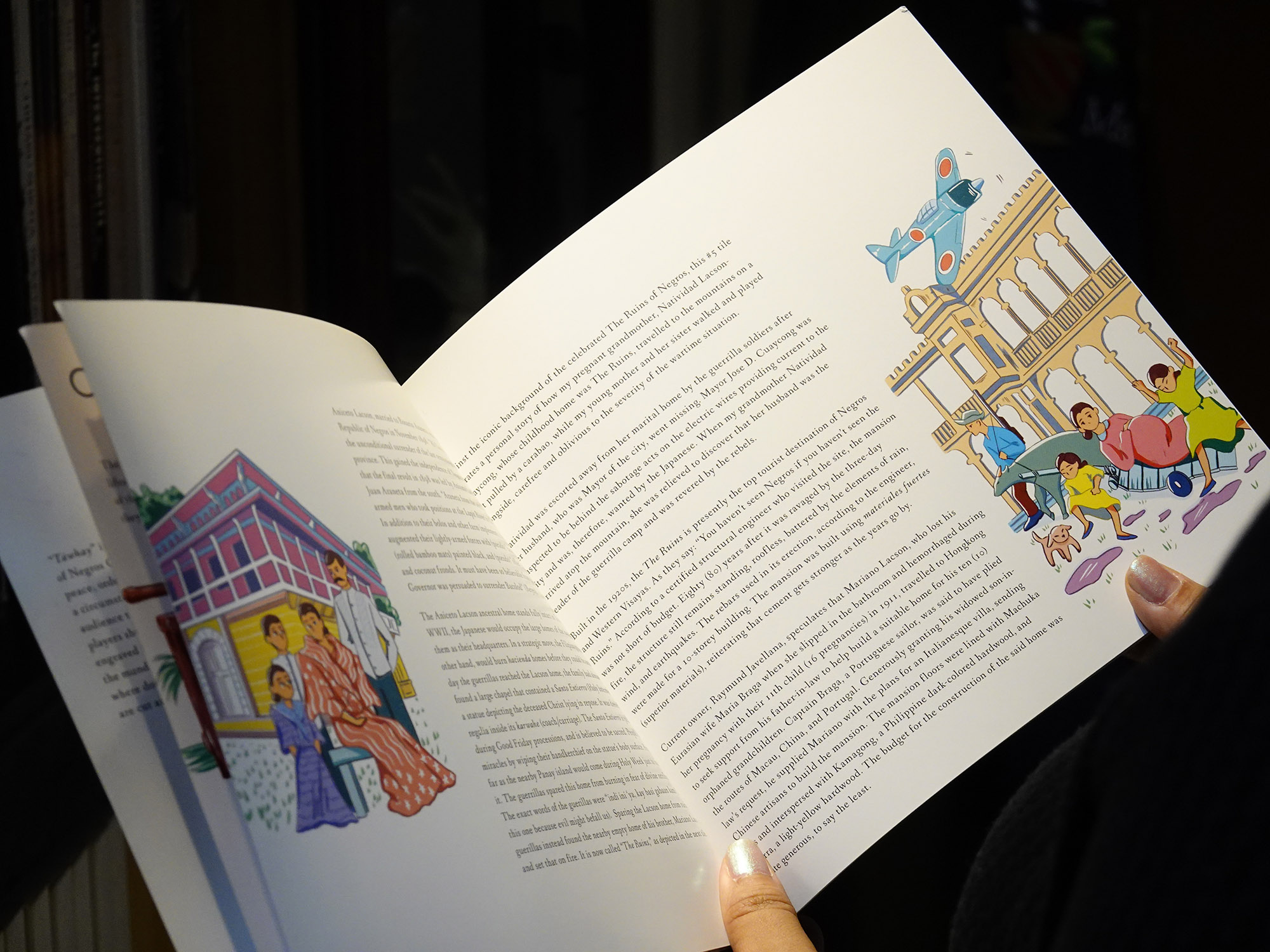
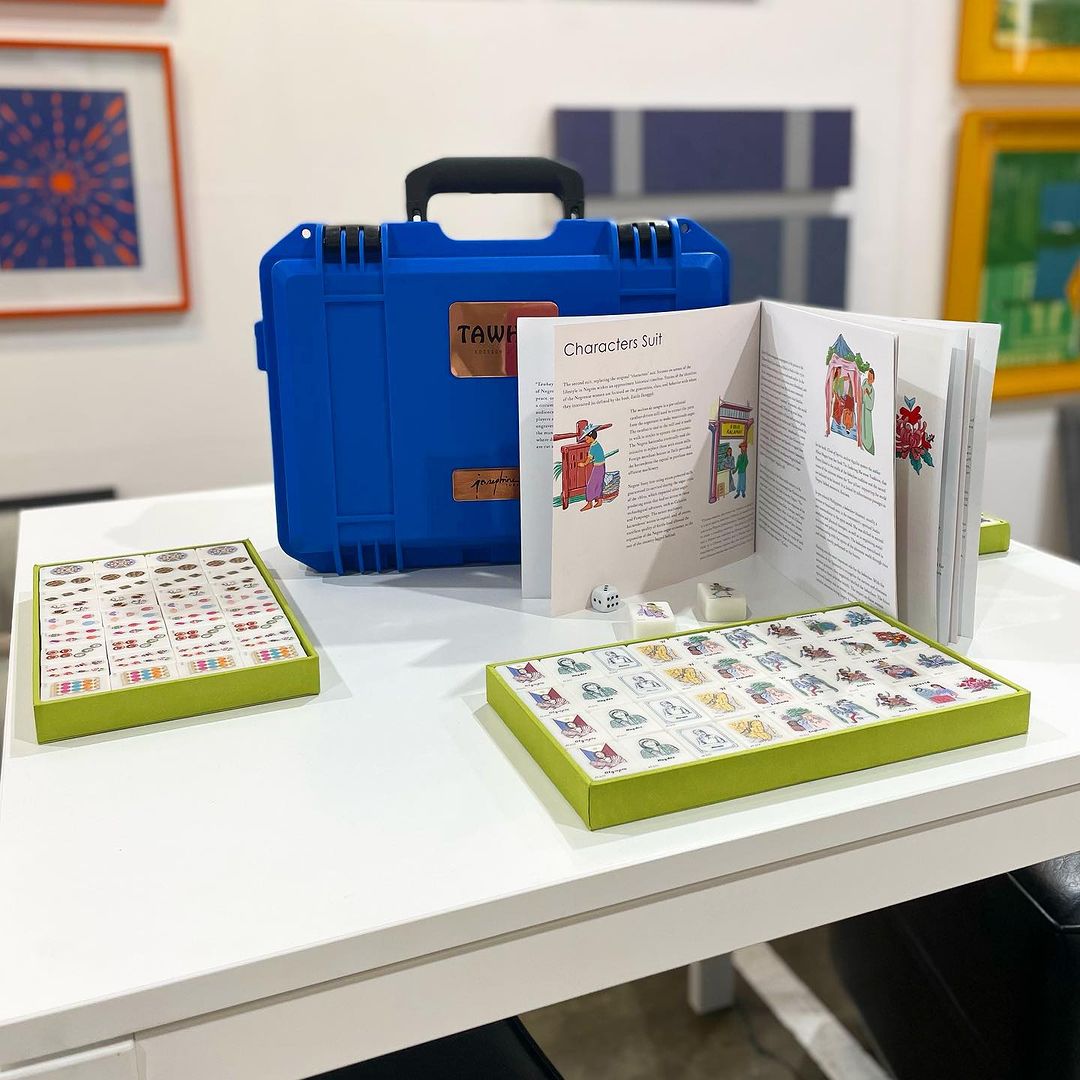
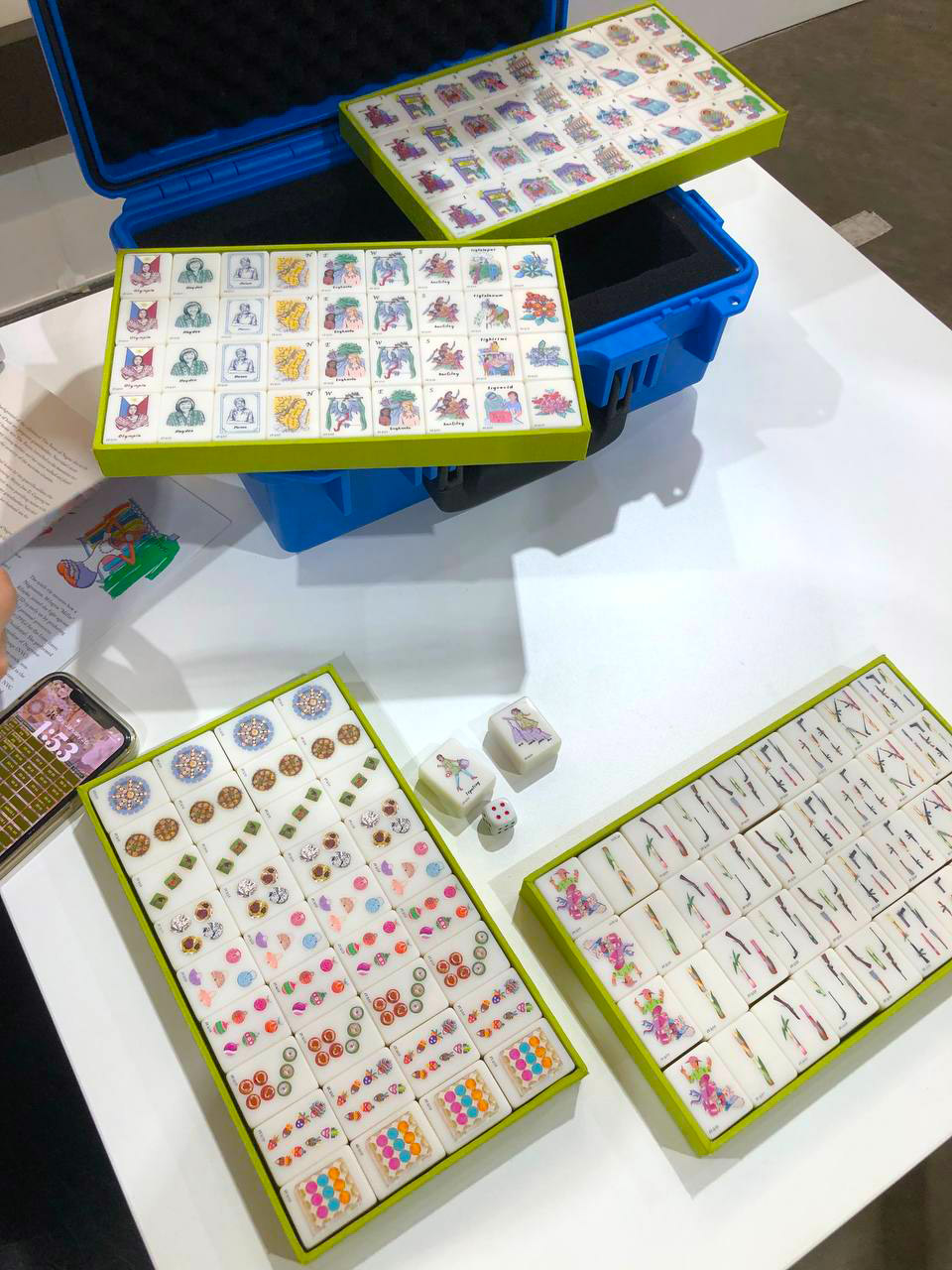
Tawhay revolves around the personal and the collective socio-political narratives of historic Negros Occidental. Through a cultural pas>me in the game of Mahjong, I visually highlighted select documented and hearsay accounts from legendary tales of origin, to world war II memoirs, the anecdotal sugarcane heyday and its fall, leading up to the tragedy of the Covid-19 pandemic we are living in today. My starting point was my mother, who served as an inspiration to the project and missing her in this time of lockdown, became the impetus to this artistic venture. She was born and raised in Bacolod and in turn, raised us, her seven (7) children in a typical household of a Negrense family beginning with our spoken language at home, “Ilonggo/Hiligaynon.” She infused our upbringing, with elements of the Negrense lifestyle from our meals, to the hired household staff who all came from the province of Negros and spoke Hiligaynon fluently. We grew up partaking of all the Negrosanon delicacies (pitaw, chorizo, pinakas, panaderia de molo, oschas, diwal, barquillos, piyaya, squid rings, mango tart, batchoy, inasal na manok). We spent all our summers and school breaks at the home of our grandmother in Bacolod. My research materials include interviews with historians, tour guides, and relatives from there, as well as my ageing mother’s World War II memoirs, to which I derived solace from, perhaps as a form of displacement from my yearning to see her, but could not, for more than a year now due to the restricted access to visits during this lockdown. In the process, I discovered more stories about Negros that paralleled many of my experiences and this kept my mother closer to my heart.
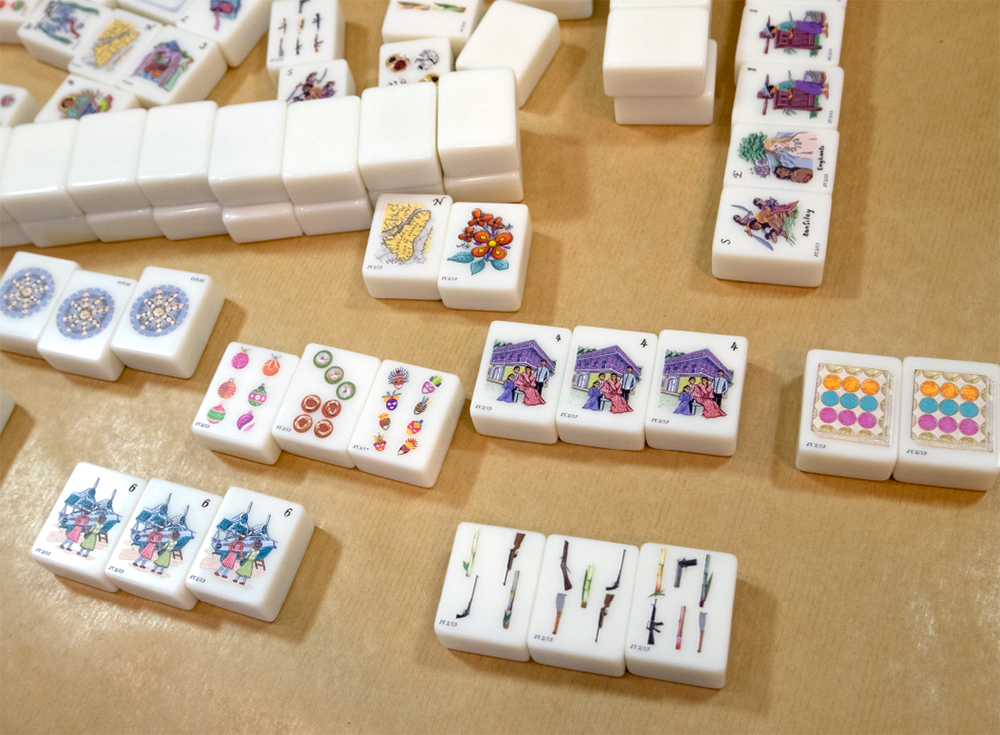
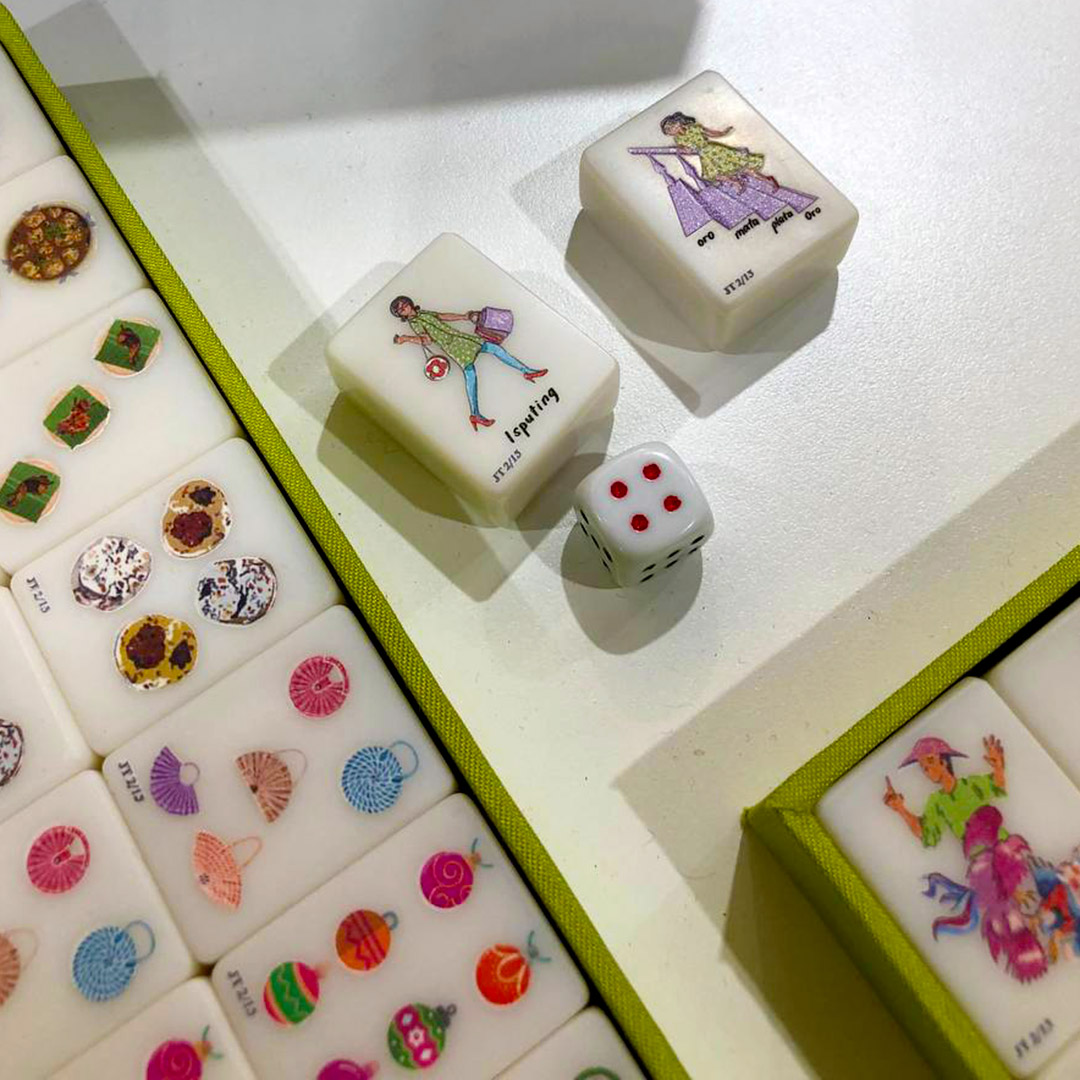
Reminiscent of my grandmother’s living room which was always semi-permanently set with several mahjong tables awaiting her friends and relatives to play every afternoon (not unusual in a Negros household in the 60s and 70s), I re-created the designs of a mahjong set, highlighting once more, the captivating stories through the resiliency and fortitude of the Negrense/Negrosanon woman. The “herstory” of Negros, is viewed from the windows of the past and present, through the one of a kind tiles of the Tawhay mahjong set.